
Can You Freeze Tomato Paste? How to Freeze Leftovers by the Tablespoon
Never throw out half a can again: freeze tomato paste in tablespoon scoops and drop them into sauces, soups and chili straight from frozen.
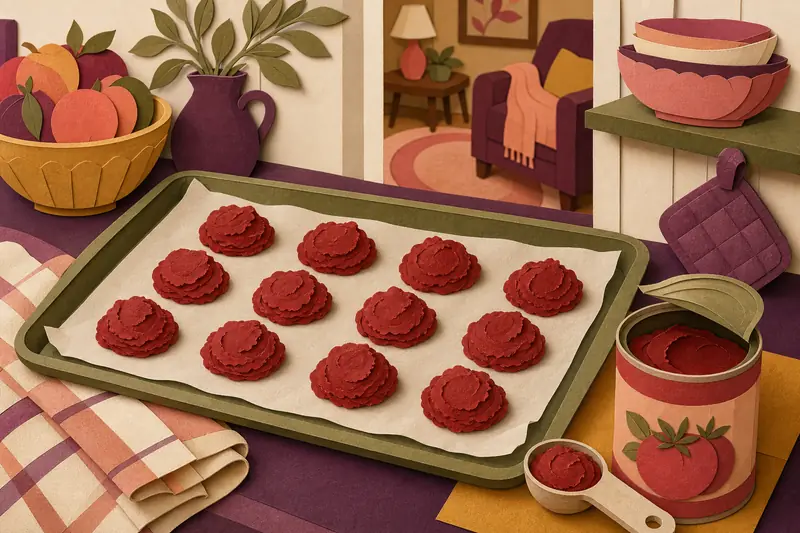
Most recipes call for one or two tablespoons of tomato paste, and most cans hold six ounces, about twelve tablespoons. The rest usually goes into the refrigerator with a piece of foil over the top, gets forgotten behind the milk and turns fuzzy a week later. That is a small loss each time, but it happens every few weeks in a lot of kitchens.
The fix takes about five minutes. Tomato paste freezes well, holds its flavor, and frozen portions go straight into a hot pan with no thawing. You can even buy the larger 12-ounce can, which usually costs less per ounce, and freeze most of it.
How to freeze tomato paste in tablespoons
- Line a baking sheet or a large plate with wax paper or parchment.
- Scoop the paste with a measuring tablespoon and drop it onto the paper in mounds, an inch or so apart. A small cookie scoop is even faster.
- Put the sheet in the freezer, uncovered, for 2 to 3 hours, until the mounds are firm enough to hold their shape.
- Peel the frozen portions off the paper and put them in a quart freezer bag.
- Press out as much air as you can, seal it, and label it with the date and “1 Tbsp each.”
Tubes of tomato paste solve the same problem, but check the unit price on the shelf tag. A tube often costs several times as much per ounce as a can, so freezing the can is the cheaper route for anyone who cooks with paste every week.
The flash-freeze step is what keeps the portions separate. Skip it and you get one frozen lump that you have to hack at with a knife.
One tablespoon of tomato paste is about half an ounce. Keeping the portions exactly one tablespoon each means you never have to measure again: a recipe that calls for three tablespoons gets three frozen scoops.
Other ways to portion it
Ice cube trays. Spoon paste into a clean tray, a tablespoon or two per cube, freeze, then pop the cubes into a bag. Silicone trays release more easily than hard plastic. Tomato can stain light-colored silicone, so use a tray you do not mind turning a little orange.
A flat log in a bag. Scrape the whole leftover amount into a quart freezer bag, flatten it to about a quarter inch, and press a chopstick across it to mark squares. Once frozen, snap off as many squares as you need.
Plastic wrap log. Roll the paste into a log in plastic wrap, like cookie dough, and freeze it. Slice off rounds with a sharp knife. This works, but it is messier than the bag method.
Using frozen tomato paste
There is no need to thaw it. Drop a frozen portion straight into:
- Chili, spaghetti sauce and sloppy joes
- Soups and stews, including beef stew and minestrone
- Pot roast or braised chicken, stirred into the liquid
- Homemade pizza sauce, with garlic, oregano and a splash of water
- Rice dishes such as Spanish rice
- Barbecue sauce and meatloaf glaze
For the best flavor, cook the paste in a little oil for a minute or two before the other liquids go in. It darkens from bright red to a deeper brick color and tastes richer and less tinny. A frozen scoop does this just as well as fresh; it simply melts first.
How long it keeps
Opened tomato paste in the refrigerator is best within about a week. In the freezer at 0°F, tablespoon portions keep their best flavor for roughly 3 to 6 months. They stay safe longer than that, but after half a year they may taste a little flat or pick up freezer odors. Keep the bag well away from onions and garlic, which can pass their smell to everything nearby.
If you see ice crystals on the surface, the bag had too much air in it. The paste is still fine to use; press the air out more firmly next time.
The same trick works for other half-used cans
Tomato paste is the classic example, but plenty of other ingredients come in cans that are too big for one recipe:
- Pumpkin puree: freeze in half-cup portions in muffin tins for pancakes, muffins or oatmeal.
- Refried beans: freeze in small scoops for nachos, burritos or a quick bean dip.
- Chipotle peppers in adobo: freeze each pepper with a little sauce on wax paper; one can lasts for months.
- Coconut milk: freeze in ice cube trays for curries and smoothies.
- Chicken or beef broth: freeze in muffin tins or ice cube trays for pan sauces.
- Pesto: freeze in ice cube trays and add a cube to pasta or soup.
Each one saves only a dollar or two at a time, but it adds up over a year, and it means you can buy the larger, cheaper can without worrying about waste.
Where this fits in a freezer routine
Freezing small portions is one of the easiest habits to build into once a month cooking. On cooking day, open one large can of tomato paste, use what the chili and lasagna need, and scoop the rest onto a sheet before you start washing dishes. The monthly freezer meal planner lists ingredients like this on the master shopping list, so you buy one large can instead of three small ones.
Tomato paste is also a cheap flavor booster for budget recipes: a single tablespoon deepens a pot of beans or lentil soup for pennies. Keep the bag in the freezer door where you will see it, and it will get used long before it has any chance to spoil.
Questions, answered
How long does frozen tomato paste last?
Frozen tomato paste keeps its best flavor for about 3 to 6 months at 0°F. It stays safe longer, but the portions can pick up freezer odors and dry at the edges over time. Press the air out of the bag, keep it away from strong-smelling foods like onions, and write the date on the label.
How long does opened tomato paste last in the fridge?
An opened can or tube of tomato paste lasts roughly 5 to 7 days in the refrigerator once it is moved to a covered container. Tubes often last longer because less air reaches the paste. Throw it out if you see mold, a fuzzy spot, or it smells sour or fermented.
Do you need to thaw frozen tomato paste before using it?
No. A frozen tablespoon melts within a minute in a hot pan, soup, stew or sauce. Stir it in as you would fresh paste. If a recipe calls for blooming the paste in oil first, add the frozen portion to the hot oil and stir as it softens; it browns just as well.
Is it cheaper to buy tomato paste in cans or tubes?
Cans are almost always cheaper per ounce, especially the larger 12-ounce size. Tubes cost more but reseal easily. If you freeze the leftovers from a large can in tablespoon portions, you get the low price of the can and the convenience of the tube.