How to Make Money Selling Dishes, From Thrift Store China to Meals
How thrift store plates and glassware turn into extra cash, and what to check before selling home-cooked dishes instead.
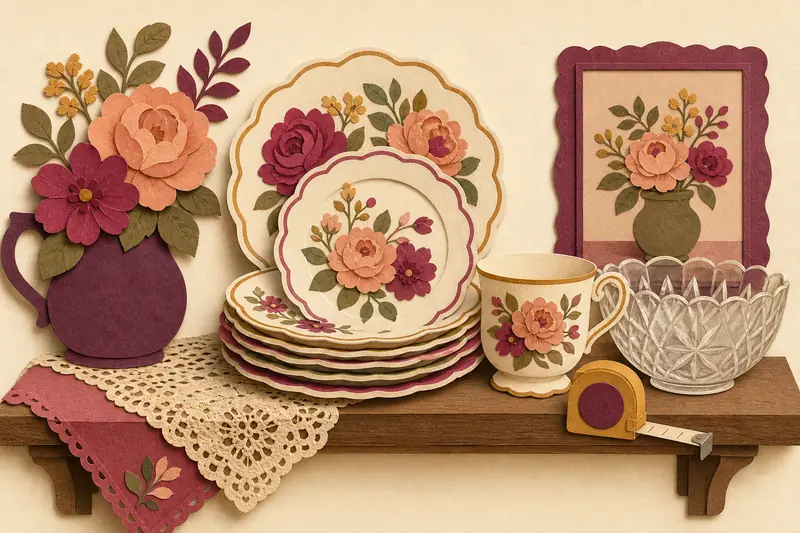
Some of the easiest resale money in a thrift store sits on the dish shelf. People downsizing their homes donate full sets of china, and a plate priced at a dollar or two can be worth much more to someone trying to replace a broken piece from a pattern that was discontinued decades ago. Learning to spot those pieces takes time, but the startup cost is close to nothing, which is why selling dishes suits a frugal side gig.
The flip side is real too. Many trips turn up nothing, and anything with a flaw is hard to sell. Treat the first month as practice. Buy cheaply, sell a few pieces, and pay attention to which patterns come back with good quotes. That short list becomes your shopping guide, and it gets more valuable every week.
Who buys used dishes
There are three main buyers for secondhand china and glassware:
- Replacement services. Companies like Replacements, Ltd. in North Carolina buy discontinued patterns from the public and resell single pieces to people completing a set. They typically ask for a description of your pieces, send a quote for the patterns they want, and inspect everything when it arrives.
- Online buyers. eBay, Etsy and Facebook Marketplace reach collectors directly, often at higher prices, but you handle photos, packing and returns. The guide to selling on eBay covers listing and shipping basics.
- Local buyers. Antique malls, estate sale groups and even a table at a craft fair or holiday market can move pretty serving pieces, especially before Thanksgiving and Christmas.
A replacement service is the quickest route for common patterns. Selling online usually pays more per piece but takes more of your time.
Step by step: from shelf to sale
- Hunt. Thrift stores, yard sales, estate sales, church rummage sales and your own cabinets. Weekday mornings after restocking are often best.
- Identify. Check the backstamp for the maker and pattern. If there is no name, search the maker plus a description of the design and compare photos.
- Check demand before you buy. Look up sold listings, not asking prices, or check whether a replacement service is currently buying that pattern. If you are standing in the store and cannot confirm demand, buy only if the price is so low that the risk does not matter.
- Inspect every piece. Run a fingernail slowly around every rim. If it catches, skip it. Use a phone flashlight to look for hairline cracks, gray utensil marks and worn gold or silver trim. Check the foot ring on the bottom too.
- Measure. Salad plates and dessert plates can look alike. Carry a small tape measure, because a buyer’s quote is for an exact size.
- Clean gently. Hand wash with mild soap. Never put gold-trimmed or antique pieces in the dishwasher.
- Sell and ship carefully. Wrap each piece separately, use plenty of padding, and double-box anything fragile. A broken plate in transit wipes out the profit.
A worked example
Say you find eight pieces of a discontinued floral pattern at a thrift store for $12 total. You check a replacement service and get a quote of $56 for the set in perfect condition. After inspection, one cup has a tiny chip, so you set it aside. The quote for the remaining seven pieces comes to $49. Shipping supplies and postage cost about $15, and you spent an hour and a half hunting, checking and packing. That leaves roughly $22 profit, or around $15 an hour.
That is a decent result, not a windfall. The pieces that make the side gig worthwhile are occasional finds like a serving platter or collectible glassware that sells for many times its thrift price. Those are rare, so budget your time accordingly.
Glassware and brands worth a second look
Beyond fine china, a few categories are worth learning because they turn up often and have steady collector interest. Depression-era glass in pink, green and amber is one. Vintage Pyrex bowls and casserole dishes with printed patterns are another, as are older Fiesta pieces and some mid-century stoneware. Prices swing with trends, so always check recent sold listings before paying more than a few dollars.
Learn a handful of names well rather than trying to know everything. Pick three makers or patterns that show up in your local stores, study their backstamps and common pieces, and you will start spotting them in seconds.
Tips that save money and time
- Keep a running phone note of patterns that sold well, so you recognize them on the shelf.
- Set a limit per trip, such as $20, so a hobby does not become a hole in the grocery budget.
- Store inventory in labeled boxes with the pattern name and piece count.
- Donate what does not sell after a set time, like 60 days. Dead inventory takes up space.
Your quote results, sale prices and mileage belong in a simple spreadsheet. Resale income is taxable income, so keep receipts for what you paid.
If you mean selling home-cooked dishes
“Selling dishes” can also mean selling food you cook. That is a different business with different rules. Most states have cottage food laws that let you sell certain lower-risk foods made in your home kitchen, usually items like breads, cookies, jams and candy, directly to customers. The details vary a lot from state to state: which foods are allowed, whether you can sell online or only in person, whether you need a permit or a food handler course, and exactly what the label must say.
Full meals, casseroles, anything with meat, and foods that need refrigeration are usually not covered and may require a licensed commercial kitchen. Before selling anything, read your state health or agriculture department’s cottage food page and follow it exactly. If cooking is your strength, the budget recipes section is a good place to test which dishes are cheap enough to make in batches.
For other ways to earn from home, the list of work from home ideas for moms compares startup costs and schedules side by side. Dish reselling ranks among the cheapest to try, since your first inventory might already be in the back of your own kitchen cabinet.
Questions, answered
How do you find the pattern name of a china set?
Turn the piece over and look for a backstamp with the maker and sometimes the pattern name. If there is no name, search the maker plus a short description of the design, such as color, flowers and rim shape, and compare photos. Replacement services and collector groups can also help identify patterns from clear photos of the front and the backstamp.
What kinds of dishes are worth reselling?
Discontinued patterns from well-known makers, complete place settings, serving pieces like platters and gravy boats, and some collectible glassware tend to sell best. Everyday modern dishes from big-box stores rarely resell for much. Condition decides everything: a chip, crack, heavy utensil marks or faded gold trim can make a valuable pattern nearly worthless to a buyer.
Can you sell food you cook at home?
In many states, yes, for certain foods under cottage food laws. These rules usually cover lower-risk items like baked goods, jams and candy, and they often limit where you can sell, require specific labels, and sometimes require a permit or training. Meals with meat, dairy fillings or other foods that need refrigeration are usually not allowed. Check your state health or agriculture department first.