Can you refill Glade plug-ins? What to know before you pry one open
Refilling a plug-in air freshener sounds thrifty. Here is why it is risky, and cheaper ways to keep the house smelling good.
The oil in a Glade PlugIns refill runs out long before the warmer wears out, and the empty bottle looks so simple. A little glass or plastic jar, a wick, a cap. It is easy to think you could pop the top, pour in some essential oil and save a few dollars every month. Plenty of people online say they do.
The short answer is that it can be done physically, but it is not a safe or supported use, and the savings are smaller than they look.
What the manufacturer says
SC Johnson, which makes Glade, sells the refills as sealed, single-use units made to work with its own warmers. The packaging tells you to use Glade PlugIns refills only with the matching warmer, to keep the unit upright, and to keep it away from kids and pets. Nothing on the label supports opening a refill or filling it with another liquid. If something goes wrong with a modified refill, you are outside the product’s intended use.
That matters because a plug-in warmer is a small electrical heater sitting in a wall outlet, often behind a couch or next to curtains, running for hours with nobody watching it.
Why homemade refills cause problems
The wick and the oil are matched. A refill’s wick is designed to draw up its own formula at a steady rate when warmed. A thinner or thicker oil can draw up too fast, pool at the top, or barely move at all.
Leaks go straight toward the outlet. Prying the cap off usually damages the seal. A refill that is overfilled, cracked or not seated properly can drip oil down the warmer and onto the outlet cover and wall.
Essential oils are flammable. Most essential oils have fairly low flash points. Heating a flammable liquid in a housing it was not tested with, next to live electrical contacts, is the kind of setup fire safety officials warn about.
Heat changes some oils. Certain oils darken, thicken or leave sticky residue when kept warm for weeks, which can clog the wick and coat the warmer.
Pets can react. The ASPCA warns that some essential oils can be harmful to pets, cats especially. A warmer running a strong homemade oil blend all day in a small room is a bigger dose than a few minutes of a diffuser.
If you already refilled one, unplug it, let it cool, and check for oil on the warmer, the outlet and the wall. Throw away any warmer that is discolored, melted, cracked or smells scorched.
How much you would really save
Real refills are not free, but the math is less dramatic than it feels at the register. Refills are usually cheapest in multi-packs, and on the lowest setting each one lasts for weeks. Check the box: it lists how many days a refill lasts on the lowest setting, and dividing the pack price by those days gives you your true cost per day.
For most households that works out to a few dollars a month per warmer. Homemade essential oil can easily cost as much, since a good 1/2-ounce bottle is not cheap and the refill holds a similar amount. So the risk buys you very little.
There is also the warmer itself to think about. Warmers are cheap, and stores sometimes bundle one free with a pack of refills, so replacing a worn or discolored one costs little compared with the risk of running a damaged unit. If a warmer has been used with homemade oil, replacing it is the sensible move even if it looks fine.
Ways to cut the cost of the real thing
- Use the lowest setting. It is often all you need in a small room, and it gives the longest life.
- Unplug it when nobody is home and overnight. That alone can stretch a refill noticeably.
- Run one warmer, not four. Put it in the room where odor actually shows up, usually near the entry or the bathroom.
- Buy multi-packs on sale or with a store coupon at Target, Walmart or the drugstore.
- Rotate. Scents fade to your nose after a while. Unplugging it for a week and then plugging it back in makes it seem stronger.
Safer, cheaper ways to scent a home
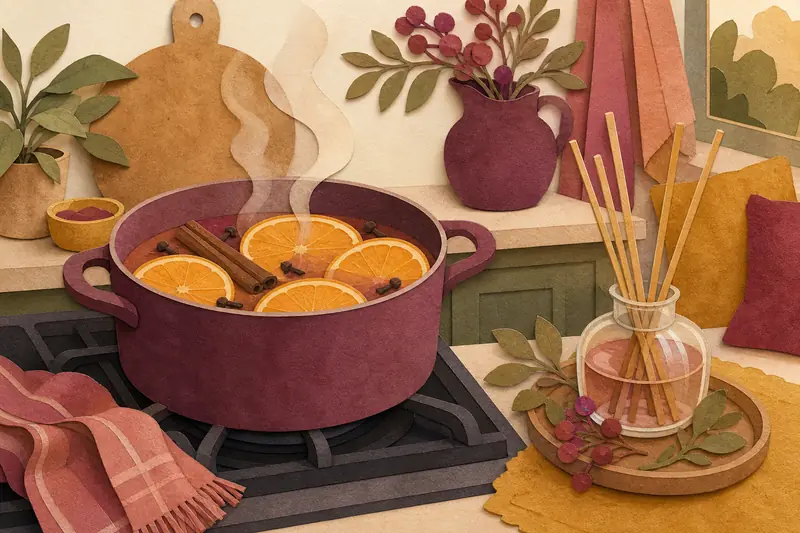
Simmer pot. Put orange or lemon peels, a cinnamon stick and a few cloves in a small pot of water on the stove at low heat. Add water as it evaporates and never leave it unattended. This costs almost nothing if you save peels from the fruit you already eat.
Reed diffuser. A basic reed diffuser uses no heat and no electricity. You can refill a reed diffuser with its own diffuser oil, which is the kind of refilling that product is designed for.
Ultrasonic essential oil diffuser. If you love essential oils, this is the device made for them. It mists a few drops in water, shuts off when empty, and uses very little electricity. Keep it away from pets’ sleeping spots.
Baking soda. An open box in the fridge, a small jar with a few drops of vanilla extract in a closet, or a sprinkle on the carpet before vacuuming all absorb odor instead of covering it.
Fresh air. Open two windows on opposite sides of the house for ten minutes. In winter it costs a little heat. In spring and fall it is free.
A lot of the “stale house” smell comes from sources a fragrance only masks: the kitchen trash, a pet bed, the drain, a damp towel. Clean the source first and you may find one warmer on low is plenty. For more ideas that save money around the house, the family and home tips page covers everything from utilities to cleaning, and the homemade laundry detergent guide takes the same do-it-yourself idea into the laundry room. Wool dryer balls with a drop of scent are another way to freshen linens without dryer sheets.
One last check that takes ten seconds: look at the outlet behind your warmer next time you dust. If the plastic is yellowed or the warmer feels hot to the touch, replace the warmer.
Questions, answered
Can you put essential oil in a Glade plug-in refill?
People do it, but it is not something the manufacturer supports, and it carries real risks. The warmer and wick are designed for one specific oil formula. A different oil can wick unevenly, leak onto the outlet or heat differently, and essential oils are flammable. If you want to use essential oils, use a diffuser made for them.
How can I make Glade refills last longer?
Use the lowest setting, which on most warmers is the one that gives the longest life listed on the package. Unplug the warmer when you leave the house or go to bed, and only run it in the room where you notice the difference. Buying multi-packs on sale also lowers the price per refill.
Are plug-in air fresheners safe to leave on all the time?
Follow the label. Plug-in warmers are designed to be used with their own refills, upright, in an outlet that is not blocked by furniture or curtains. Do not use one with a cracked housing, a damaged cord area or a leaking refill, and keep it out of reach of kids and pets.
What is the cheapest way to make a house smell good?
Start by removing odors. Empty the trash more often, wash pet bedding, and set open boxes of baking soda in the fridge and closets. For scent, a stovetop simmer pot of citrus peels and cinnamon costs almost nothing, and opening windows for ten minutes clears stale air for free.