
21 Survival Tips for Running a Small Craft Business From Home
Twenty-one habits that keep a small craft business organized, stocked and profitable from one season to the next.
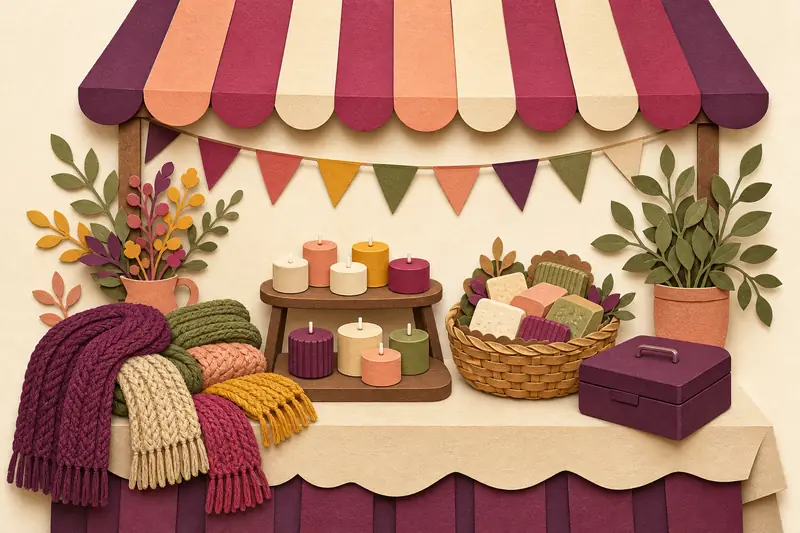
Most small craft businesses do not fail because the work is bad. They run out of money in February, miss the holiday rush because supplies were late, or quietly stop earning because nobody tracked what each piece really cost. These 21 habits deal with exactly those problems, grouped by the part of the business they protect.
Stay organized
1. Write ideas down the moment they arrive. A notes app, a sketchbook by the bed, the back of a receipt. Good designs vanish by morning.
2. Keep four files. Ideas, receipts, customer contacts and suppliers. Paper folders or digital ones both work, as long as everything goes in the same place every time.
3. Open a separate bank account. Sales in, supplies out, nothing else. At tax time, and every time you wonder whether the business is earning, you will be glad you did. A simple family budget makes it easier to see how much the business adds.
4. Track the real cost of each item. Materials, packaging, and your minutes. A product you love may be earning $3 an hour. You need to know that.
Keep learning
5. Read what other sellers read. Trade magazines like Sunshine Artist, maker podcasts and seller forums cover show reviews, pricing debates and supplier news.
6. Take a class. Community colleges, craft stores and local guilds offer short workshops. A faster technique pays for the class within a few batches.
7. Join a local group. Guilds and online maker groups share show tips, supplier discounts and warnings about bad events. It is also where you hear about open booth spaces, last-minute cancellations at good shows, and which organizers pay out prize money or refund fees when a show is rained out. Many guilds charge modest yearly dues, and the contacts are worth more than the newsletter.
Spend less
8. Use what you have. Before buying new equipment, ask whether you really need it. A bin of ugly leftover yarn can be over-dyed; mismatched beads can become a “one of a kind” line.
9. Share costs with other makers. Two sellers with different products can split a booth, a studio, a bulk supply order or a hotel room at an out-of-town show. The savings add up faster than almost anything else on this list.
10. Buy wholesale when a product proves itself. Most craft suppliers offer wholesale pricing once you have a sales tax permit or business account. Some also give 30-day payment terms once you have a few references, which lets you sell the finished goods before the invoice is due.
11. Choose shows near friends and family. Lower travel costs, a free couch and often a helper for the booth.
12. Build and fix your own displays. Crates, risers and shelves from lumber or thrift store finds cost a fraction of retail fixtures. Learn basic car maintenance too, if you drive to many shows.
Make more in the same hours
13. Batch your production. Set up stations and make 20 of one item in stages: cut all, assemble all, finish all. Per-piece time drops sharply.
14. Hire out the parts you hate. If finishing, packaging or bookkeeping drains you, pay someone by the hour or by the piece. That frees you to design and sell, which only you can do.
15. Make mistakes pay. A piece that did not turn out can become a component, a sample, a gift with purchase or a “seconds” item at a lower price. Write down what went wrong so it does not happen again.
16. Plan for the busy season early. Holiday sales for most crafts run from October to mid-December. Set a production quota for summer and early fall, and order materials early, because suppliers run out of popular items in November.
Protect your income
17. Take deposits on custom work. Ask for at least half up front on anything made to order. It covers materials and filters out people who were only curious.
18. Put agreements in writing. With galleries, shops and consignment accounts, write down the price split, who pays shipping, when you get paid and who is responsible for damage. A short email the shop confirms is far better than a handshake.
19. Do not undercut your store accounts. If a shop in town sells your work for $24, charge $24 at your booth too. Undercutting a retailer is the fastest way to lose one.
20. Look for new outlets. A gift shop that sells handmade items but not your kind of craft may be happy to add a line. Selling online through a shop or eBay keeps money coming between shows.
21. Keep taxes and permits current. Collect and file sales tax on schedule, keep your business license up to date, and set aside a share of every sale for income tax. The IRS small business and self-employed center has the forms and guides for a sole proprietor.
A simple monthly routine
Tips only help if they turn into habits. A short routine once a month keeps most of the list working without much thought:
- Enter every sale and every supply receipt from the month into one spreadsheet or notebook.
- Compare sales with costs, product by product. Mark the top three sellers and the bottom three.
- Check supply levels for your top sellers and reorder anything that will run low in the next six weeks.
- Look at the calendar for the next three months. Note show application deadlines, holiday production targets and any sales tax filing dates.
- Pick one improvement for the coming month, such as a faster method for one product, a better display piece or a new shop to approach.
The whole routine takes about an hour. Done every month, it catches the slow leaks that sink small craft businesses: a supply price that crept up, a product that quietly stopped selling, a show deadline missed by a week.
It also gives you a clear record at the end of the year. When you sit down to decide which shows to repeat and which products to keep, the answers are already written down in your own numbers, and tax time takes an evening instead of a weekend.
Where to go next
If you are just starting, the guide to selling at craft fairs covers finding good shows, booth setup and pricing with a worked example. The page on which crafts sell helps you pick a focused product line, and the work from home hub collects more ways to earn without leaving the house.
Pick three tips from this list, not all 21, and use them through one full season. Tip 4 is the one to start with: once you know what each piece costs you, half the other decisions make themselves.
Questions, answered
How do you keep a craft business profitable?
Track the cost of every item, including your time, and price above it. Buy materials in bulk once a product proves it sells, share costs like booth space with other makers, and drop products that take too long for what they earn. Review your numbers after every show or month of online sales.
When is the busiest season for craft sellers?
For most handmade products, the months from October through mid-December bring the biggest share of yearly sales. Spring is strong for garden and wedding items. Plan production so that holiday inventory is mostly finished by early fall, because supplies and your own time both run short in November.
Do you need a separate bank account for a craft business?
It is not always legally required for a sole proprietor, but it makes life much easier. A separate account keeps sales and supply purchases apart from grocery money, which simplifies taxes and shows you at a glance whether the business is actually earning.