Old-fashioned kitchen beauty tricks that cost pennies per use
Rolled oats, honey, olive oil and a few beeswax pellets replace a surprising number of drugstore jars. Here is what works.
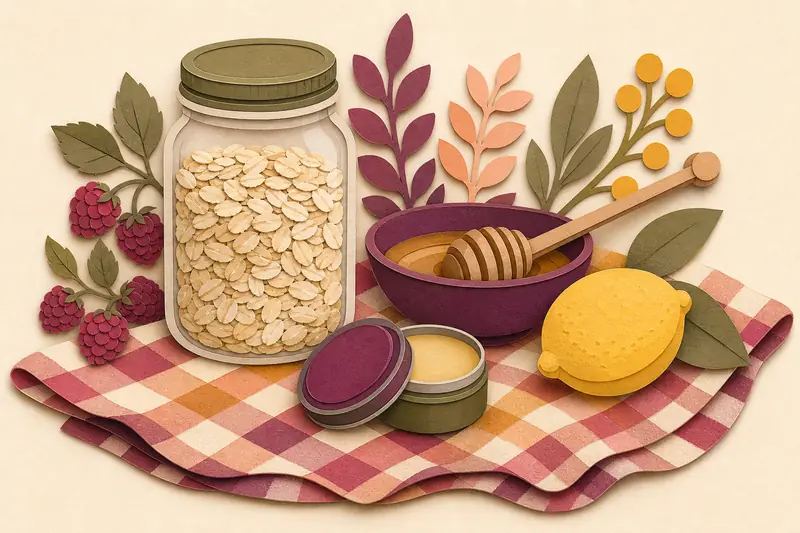
Store-brand rolled oats cost roughly 30 cents a cup. A drugstore oatmeal mask can cost more than the whole canister, and much of what you pay for is the tube and the marketing. Generations of women figured this out long before anyone sold a “clean beauty” kit, and the best of their tricks still hold up.
Some do not. Old family advice also includes rubbing lemon on freckles and scrubbing your face with baking soda, and both are hard on skin. This guide keeps the pantry tricks that are gentle and cheap, and flags the ones worth leaving in the past.
Patch test first, every time: dab a little on the inside of your forearm and wait a day. Kitchen ingredients are still ingredients, and people react to oats, honey and eggs.
The oatmeal mask
This is the one to try first. Oats contain compounds that soothe and hold moisture, and colloidal oatmeal, which is simply oats ground to a very fine powder, is one of the skin protectant ingredients the FDA allows in over-the-counter products.
- Grind half a cup of plain old-fashioned rolled oats in a blender or coffee grinder until it looks like flour.
- Stir 2 tablespoons of the powder with enough warm water to make a paste, about 1 to 2 tablespoons.
- Spread it on a clean face and leave it for 10 to 15 minutes.
- Rinse with lukewarm water and pat dry.
Use plain oats, not the flavored instant packets, which carry sugar and flavorings. Store the extra powder in a jar and it is ready for next time. A tablespoon of honey or plain yogurt in the paste makes it creamier.
A cup of the powder in a warm bath is also a classic for dry, itchy winter skin. Tie it in an old knee-high stocking so it does not clog the drain.
Honey as a face wash
Raw or regular honey works as a mild cleanser for skin that dislikes soap. Warm half a teaspoon between damp fingertips, massage it over your face for a minute, then rinse with warm water. It feels sticky for about three seconds and then rinses away completely. A 12-ounce bottle from Aldi or Walmart lasts months at this rate.
Beeswax lip balm
You need three things: 1 tablespoon of beeswax pellets, 3 tablespoons of sweet almond, sunflower or olive oil, and some small tins or empty balm tubes. Melt the wax and oil together in a glass measuring cup set in a pan of simmering water. Take it off the heat, add a drop or two of peppermint extract from the baking aisle if you like, and pour it into the tins. It sets in about 20 minutes.
That batch fills four or five small tins. For tinted balm, shave in a pea-sized piece of an old lipstick while the wax is melted. Because there is no water in it, lip balm needs no preservative, which is why it is one of the safest things to make at home.
The egg mask, with care
Egg white masks have been around forever. Whipped until frothy and spread on clean skin for about 15 minutes, the white dries tight and gives a temporary firm feeling. The effect is short-lived, and it is not doing anything a cool washcloth cannot.
If you try it, handle it like raw egg on a cutting board. Keep it away from your mouth and eyes, never put it on broken skin, and wash your hands, bowl and counter afterward.
Hair: rinses and conditioners
Vinegar rinse. Mix 1 tablespoon of apple cider vinegar into 1 cup of cool water. After shampooing, pour it over your hair, wait a minute and rinse. It helps remove residue from hard water and leaves hair smoother. The smell disappears once hair dries.
Olive oil pre-wash. For dry ends, rub a teaspoon of olive oil into the bottom few inches of dry hair 20 minutes before you shower, then shampoo as usual. Use too much and you will need two washes to get it out.
Egg and yogurt conditioner. Whisk one egg yolk into a quarter cup of plain yogurt, work it through damp hair and leave it for 10 minutes. Rinse with cool water. Hot water cooks the egg into your hair, which is exactly as unpleasant as it sounds.
Three small swaps from the cupboard
Sugar lip scrub. Stir a teaspoon of white sugar into a teaspoon of honey or olive oil, rub it gently over chapped lips for 30 seconds and wipe it off with a warm washcloth. Follow with the lip balm above.
Oil as a makeup remover. A few drops of sunflower or olive oil on a cotton pad lift mascara and long-wear foundation, and a bottle costs less than one small jar of cleansing balm. Wash your face afterward so the oil does not sit on your skin overnight.
Cold spoons for tired eyes. Two metal teaspoons in the freezer for 10 minutes, held gently under the eyes, feel wonderful after a short night. It is the cold doing the work, so a chilled washcloth does the same thing.
Tricks to leave in the past
| Old trick | Problem | Try instead |
|---|---|---|
| Lemon juice on freckles or dark spots | Irritating, and a sunburn risk | Daily sunscreen |
| Baking soda face scrub | Far too alkaline for skin | Oat paste |
| Toothpaste on pimples | Dries and irritates | Leave it alone, wash gently |
| Rubbing alcohol as toner | Strips and dries | Plain cool water |
What a year of pantry beauty costs
Picture a basic routine: one oat mask a week, a honey wash when your skin is dry, one batch of lip balm and a vinegar rinse twice a week. A 42-ounce canister of store-brand oats, a bottle of honey, a bottle of apple cider vinegar and a small bag of beeswax pellets come to roughly $25, and most of it lasts well past a year. The oats and honey you do not use still end up in breakfast.
The same pellets and oil stretch into lotion bars and body butter, covered step by step in how to make your own lotions and bath products. If the pantry is starting to double as a beauty shelf, the budget recipes collection will use up the rest of that oat canister. For more ways to look put together without a big bill, see inexpensive ways to look polished, and the family and home money savers page gathers the rest of the household tips.
Give each new trick a week or two before you judge it, and change one thing at a time so you can tell what your skin actually likes. And if your kids catch you with oatmeal paste on your face, you can tell them it is breakfast, just in the wrong place.
Questions, answered
Is it safe to put raw egg on your face?
Raw egg can carry salmonella, so treat it like raw egg in the kitchen. Use a fresh egg, keep it away from your mouth and eyes, never use it on broken skin, then wash your face, hands, bowl and counter with soap afterward. Skip it entirely if anyone in the house has an egg allergy or a weakened immune system.
Can you put lemon juice on your skin?
It is better not to. Lemon juice is very acidic and can sting or irritate, and citrus on skin that then goes out in the sun can cause a painful reaction and dark patches. Use lemon for a hair rinse that you wash out, or leave it in the kitchen.
How long does homemade lip balm last?
Lip balm made only of beeswax and oil contains no water, so it keeps well. Stored in a cool drawer, most batches last six months to a year. When it starts to smell stale or like crayons, the oil has gone rancid and it is time for a new batch.
Do these masks cure acne or eczema?
No. Kitchen masks are gentle ways to clean and soften skin, not treatments. Acne, eczema, rosacea and other skin conditions are best handled with a doctor or dermatologist, and some pantry items, especially baking soda and citrus, can make irritated skin worse. Patch test anything new on your forearm first.