
Frugal Family Vacation Ideas: Big Memories on a Small Travel Budget
State park camping, off-season timing, a kitchen instead of restaurants and the backyard campout: vacations that fit a tight budget.
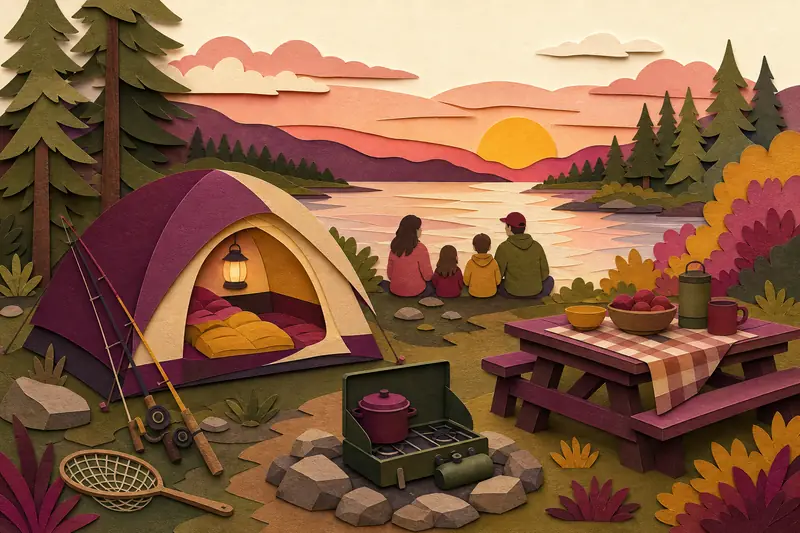
A family vacation does not have to mean flights, theme park tickets and a hotel with a view. Some of the trips kids remember best cost a few hundred dollars: a week at a state park with a lake, a long weekend in a college dorm room during a school break, or two nights in a tent in the backyard. The common thread is a bit of creative planning and a parent who treats the trip as an adventure.
Here are the ideas that stretch a small travel budget furthest, roughly in order from cheapest to most involved.
Camp at a state park
State parks are one of the best-kept travel bargains in the US. Most have tent sites with a picnic table, a fire ring and a bathhouse nearby, and many sit on lakes or rivers with swimming, fishing and marked trails. Rangers often run free weekend programs on wildlife, stars or local history. Campsite fees vary by state, but they are a small fraction of a hotel room.
A few habits make state park camping easy with kids:
- Book early for summer weekends. Popular parks fill months ahead. Weeknights and the weeks just after school starts are easier.
- Pick your site with care. Many park websites show photos and maps of each site. Look for one near the restroom, with some shade and room for kids to play.
- Start close to home. A park one or two hours away means less gas, and if the weather turns, home is not far.
- Borrow before you buy. A basic dome tent, sleeping bags and a camp stove can often be borrowed from friends or found cheap at garage sales.
Old couch cushions or pool floats under a blanket make surprisingly comfortable beds if you do not own sleeping pads. Keep it simple on food: hot dogs, foil-packet dinners, cereal, fruit and a bag of marshmallows cover most kids’ wish lists.
Use the federal park programs
National parks, national forests and other federal lands have entrance fees at some sites, but there are ways to cut them. Several fee-free days are scheduled each year, and the National Park Service lists them on NPS.gov. The Every Kid Outdoors program gives US fourth graders a free annual pass that covers entrance fees for the child’s family at federal sites, which makes that school year an ideal time for a national park trip. If you visit more than a few fee sites in a year, an annual America the Beautiful pass usually pays for itself; check the current price before you go.
Many national forests and Bureau of Land Management areas also allow low-cost or free dispersed camping for families comfortable with no hookups and no bathrooms.
Time the trip for the off-season
Prices follow crowds. The same beach condo can cost half as much in September as in July, and ski towns in summer are often cheap and beautiful. Shoulder seasons, the few weeks before and after peak, are usually the sweet spot: weather is still good, and lodging and rental cars are cheaper.
Holidays can work in your favor too. On Thanksgiving Day and Christmas week, many big cities are quieter than usual because residents travel to family. Rental car counters sometimes have extra inventory, and some college campuses, retreat centers and seminaries rent out empty rooms during breaks at modest rates. These rooms are simple, often with a shared kitchen and bathroom, but for a family that mainly needs a clean place to sleep, they can be an excellent deal. Call and ask; it costs nothing. Ask about parking, check-in times and whether the kitchen has basic pots and pans, so you know what to bring from home.
Keep road trip costs in check
For most budget vacations, the car is the biggest single expense after lodging. A few simple moves help:
- Get the car checked before you leave. Tire pressure, oil and wipers take ten minutes and prevent the kind of breakdown that wrecks a travel budget.
- Use a gas price app to find cheaper stations along the route, and fill up before you reach tourist areas, where prices often jump.
- Pack a snack bag and a refillable water bottle for everyone. Gas station snacks for four people add up to real money over a long drive.
- Plan free stops. Rest areas, small-town parks, historical markers and visitor centers make good breaks and cost nothing.
Driving through the night while small kids sleep saves a motel bill for some families. It only works if an adult is well rested enough to drive safely, so trade off drivers or skip the idea.
Stay with people you know
Visiting friends or relatives is the oldest cheap vacation there is. A free guest room turns a trip to a far-off city into a few tanks of gas and a thank-you dinner. Be a good guest: bring groceries, cook a meal or two, take the hosts out once, and keep the stay short enough that everyone still wants to see each other next year.
Cook instead of eating out
Food is where vacation budgets leak fastest. Three restaurant meals a day for a family of four can easily cost more than the lodging. Choosing a place with a kitchen, or at least a mini-fridge and microwave, changes the math.
A practical plan:
- Eat breakfast at your lodging every day. Cereal, yogurt, fruit and a thermos of coffee cost a few dollars.
- Pack a picnic lunch for the day’s outing.
- Eat out once a day at most, and make it lunch when prices are often lower.
- Bring a cooler of freezer meals from home for the first few nights. A pan of enchiladas or a bag of chili from the frugal freezer recipes doubles as an ice pack on the drive.
The frugal meal planning guide works on the road, too. Plan vacation meals like a normal week, just with a grocery stop at the destination.
Pay for it without debt
The old-fashioned approach still works best: save first, then travel. Some families fund a yearly trip with a spring garage sale of outgrown toys, baby gear and clothes. Others set up automatic transfers of $20 or $40 a paycheck into a separate savings account labeled “vacation.” The family budget guide shows how to give it its own line.
Credit card and airline rewards can help if you already pay your balance in full every month. Points from everyday spending can cover a flight or a couple of hotel nights. If you carry a balance, the interest will cost more than the points are worth.
Make the backyard a destination
Some years, going anywhere is not in the budget. That is no reason to skip a vacation. Pitch a tent in the backyard for two or three nights. Run an extension cord for a movie on a laptop, roast marshmallows over a fire pit or on the grill, tell stories with flashlights, and eat every meal outside. Kids who are young enough will talk about it as if it were a real trip, because to them it is.
A “staycation” can also mean playing tourist in your own town: the museum you have never visited, a free concert in the park, a new trail, a picnic at the lake. The list of ideas in how to have fun on a budget is a good place to plan the week.
The attitude part
Children take their cue from the adults. A parent who is stressed about money or cranky about the rain can spoil the most expensive trip, and a parent who laughs about the cold night in the tent can turn it into a family legend. Plan a rain backup, keep expectations loose, and let the kids pick at least one activity.
For more ways to save through the year so there is money for the next trip, browse the frugal tips for family and home. And pack one extra blanket. Mountain nights in July can drop into the 40s, and nobody sleeps well when they are cold.
Questions, answered
What is the cheapest type of family vacation?
Tent camping at a state park within a few hours of home is usually the cheapest. Campsite fees are modest, you cook your own meals, and gas is the biggest expense. Lakes, trails and ranger programs keep kids busy for free. Staying with friends or relatives, or a backyard campout, costs even less.
How much should a family budget for a vacation?
There is no single right number. Start from what you can save without debt: divide the trip cost by the months until you leave and set that amount aside each month. Price out the four big pieces, travel, lodging, food and activities, before you book, since food and activities are where trips most often run over.
When is the cheapest time to take a family vacation?
Shoulder seasons, the weeks just before and after peak season, usually bring lower lodging prices and smaller crowds. Late August after many schools start, early June, and the fall are often good windows. Some holidays, such as Thanksgiving Day itself, can also be quieter in destination cities while most people travel to family.