
How to Have Fun on a Budget: Free and Cheap Ideas for the Whole Family
Hiking, geocaching, library passes and backyard games: practical ways to fill a weekend with fun for almost no money.
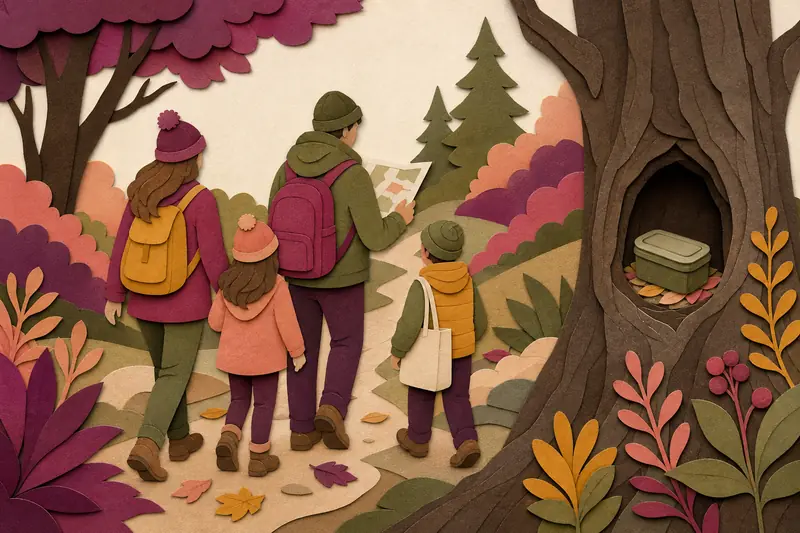
Late-night shopping, check, streaming the top-rated TV shows, check, playing at the best online casinos, check. Most entertainment today is a tap away, and most of it sends a charge to your card at the end of the month. That is fine when the budget allows it. When it does not, the good news is that the cheapest fun is often the kind families remember longest.
This guide covers both sides: trimming the online spending that creeps up on you, and a set of free or nearly free ways to fill a weekend.
Start with the fun you already pay for
Before looking for new ideas, look at your last bank statement. Streaming services, game subscriptions, music apps, in-app purchases and online shopping add up quietly because each charge looks small. Five subscriptions at $10 to $18 each is easily $60 to $80 a month, which is a family museum membership or a weekend of camping.
A simple routine that works:
- Print or scroll through the last two months of statements and highlight every entertainment charge.
- Ask each family member which ones they used in the past 30 days.
- Cancel anything nobody touched.
- Keep one streaming service at a time and rotate every couple of months. The shows are still there when you come back.
- Set a monthly fun limit for online spending of any kind and stick to it like a grocery budget.
The money you free up is what pays for the occasional outing that does cost something. The family budget guide shows how to give it its own line so it does not disappear into groceries.
Take a hike
Nature is still the best free entertainment going. Almost every county in the US has a park, a state forest, a greenway or a nature preserve within a short drive, and many towns have rail trails built on old train lines that are flat enough for strollers and new bike riders.
To find trails near you, check your state parks website, your county parks department or a free trail app. Pick a short loop the first time, 1 to 2 miles with young kids, and bring more snacks than seems reasonable. A hike with a goal, like a waterfall, a creek to throw rocks into or a fire tower, holds children’s attention far better than a walk for its own sake.
Some state parks charge a day-use fee per car, often a few dollars, and many states sell an annual pass that pays for itself after a handful of visits. City and county parks are usually free. Pack water, a first aid kit and a printed or downloaded map, since phone signal often drops on trails. Checking the park website the night before also tells you about closures, parking and whether dogs are allowed.
Play the games you grew up with
Kids who spend a lot of time on screens often have never played the games their parents took for granted. Take them outside and teach a few:
- Hide and seek, or its reverse, sardines
- Simon says
- Hopscotch with sidewalk chalk
- A sack race in old pillowcases
- A water balloon fight on a hot afternoon
- Toss and catch with any ball in the garage
- Capture the flag with two dish towels
Invite the neighbors and it becomes a block party. Adults are allowed to play too. For a long list sorted by age, the 70 cheap birthday party games work just as well on an ordinary Saturday as at a party.
Free museums and library perks
Museums are more affordable than many families assume. The Smithsonian museums in Washington, D.C., including the National Air and Space Museum and the National Museum of Natural History, charge no admission. Many city art museums, university museums and small local history museums are free or suggest a donation. Others hold free days or free evenings once a month, which are worth putting on the calendar.
Before paying full price anywhere, check two things. First, ask whether there is a discount for local residents, since some museums offer one. Second, check your public library. Many libraries lend free or discounted passes to museums, zoos and state parks with a library card.
The library itself is also one of the best free outings a family has. Beyond books, most branches run story times, summer reading programs, LEGO clubs, craft afternoons and movie nights at no cost. Many lend e-books and audiobooks through apps like Libby, and some even lend board games, telescopes and cake pans.
Try geocaching
Geocaching is a real-world treasure hunt. People hide small containers, called caches, in parks, along trails and around towns, and post the coordinates online. You use the GPS on your phone to track them down, sign the logbook inside, and put the cache back exactly where you found it.
Getting started is easy. The official app has a free version that shows a map of caches near you, rated by difficulty and terrain. Start with a few easy ones rated 1 or 1.5, in a park you already know. Some caches hold small trinkets to trade; the rule is to leave something of equal or greater value if you take one, so bring a pocketful of dollar-store toys. A pen is worth packing too, since tiny caches often have a logbook but nothing to write with.
Kids love it because it turns a walk into a mission. Adults like it because it leads to parks, overlooks and odd corners of town they never knew existed. Once your family has found a few dozen, you can hide your own cache for others to find.
More free ideas for a slow weekend
When the weather will not cooperate, fun on a budget moves indoors. A few ideas that cost nothing or close to it:
- A family movie night with a library DVD and homemade popcorn, which costs pennies per bowl
- A backyard campout in a borrowed tent
- A cooking night where the kids plan and make dinner from what is in the pantry
- Free community events: outdoor concerts, farmers markets, parades and fireworks on the Fourth of July
- A craft afternoon with scrap paper, glue and old magazines
For rainy days with younger kids, the list of TV-free activities for kids has dozens more ideas using things already in the house. And when a bigger trip is on the horizon, the frugal family vacation ideas cover state park camping and off-season travel. The wider collection of frugal tips for family and home has more ways to free up money for the outings that do cost something.
A practical way to make all of this stick is to keep a running list on the fridge. Every time someone hears about a free event or a new trail, it goes on the list, and on a slow Saturday morning nobody has to think.
Questions, answered
What can a family do for fun with no money?
Hike a local trail, play classic outdoor games like capture the flag, visit a free museum or library event, or try geocaching with the free version of the app. A picnic from your own kitchen and a stop at a city park or splash pad can fill an entire Saturday without spending anything.
How can you save money on entertainment each month?
List every entertainment charge on your bank statement, including streaming services, app subscriptions and memberships. Cancel the ones nobody used in the last month and rotate the rest, keeping one streaming service at a time. Then move the savings into a small fund for one paid outing a month.
Are museums really free in the US?
Many are. The Smithsonian museums in Washington, D.C. are free, and plenty of city and university museums charge nothing or ask for a donation. Others offer free days or evenings. Many public libraries also lend free or discounted museum passes, so check your library website before paying at the door.